How we make 60 gallons of house pickles every week
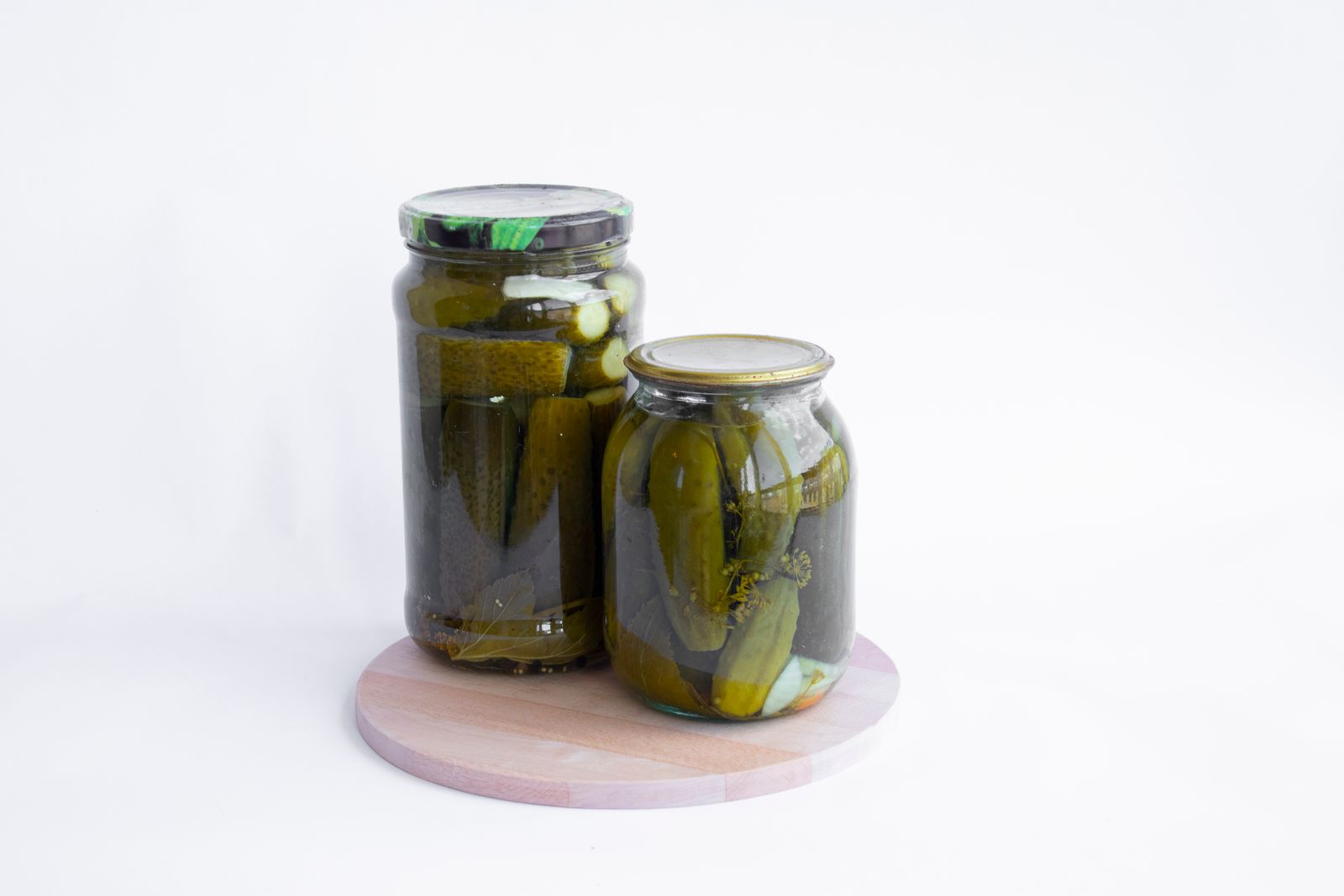
If you have eaten at Stacked, you have eaten one of our pickles. They ride along in every boxed lunch, sit on the Porkopolis, get battered into pickle fries and show up in the Queen City Italian's giardiniera. Across four shops we go through roughly 60 gallons a week, and every one of them is made in the Oakley kitchen upstairs.
People ask about them more than almost anything else on the menu, so here is how we do it, including the part most home recipes skip.
Start with the right cucumber
We use Kirby cucumbers, the short, bumpy pickling variety, and we buy them from two farms in Clermont and Brown counties from June through September. Kirbys have thin skins, small seeds and dense flesh, which means they stay crunchy after a week in brine. Salad cucumbers go soft and hollow within days.
Size matters more than you would think. We sort by hand into small (spears), medium (chips) and large (relish). Mixing sizes in one bucket means the small ones over-ferment while the big ones are still raw in the middle.
The brine ratio
Our dill brine is a 3.5 percent salt solution by weight, with a splash of white vinegar for a cleaner, sharper flavor than a pure ferment. For every gallon of water we use:
- 134 grams of kosher salt (no iodized salt, it clouds the brine)
- 1 cup of distilled white vinegar
- 12 cloves of garlic, smashed
- 2 tablespoons each of dill seed and coriander seed
- 1 teaspoon of red pepper flakes
- A large handful of fresh dill heads
- 4 grape leaves or 2 black tea bags for tannins
Why the grape leaves matter
This is the step most people skip. Cucumbers contain enzymes near the blossom end that break down pectin, which is what turns a crisp pickle into a floppy one. Tannins from grape leaves, oak leaves or even black tea slow those enzymes down. We also trim a thin slice off the blossom end of every cucumber before it goes in the bucket.
The difference between a good pickle and a great one is almost always crunch, and crunch comes from tannins and cold water, not from magic.
Cold start, slow ferment
We chill the cucumbers in ice water for an hour before brining. Cold cucumbers firm up and absorb brine more evenly. Then they go into food-grade buckets, fully submerged under a weighted plate, and sit at about 68 degrees.
Half-sours are ready in three days. Our full dills, the ones on the menu, go five to six days until they turn olive green all the way through. We taste every bucket on day four, and any batch that smells yeasty or looks slimy gets tossed. That happens maybe twice a summer.
Into the walk-in
Once they hit the flavor we want, the buckets move into the walk-in cooler at 36 degrees, which nearly stops fermentation. Refrigerated, they keep their crunch for about five weeks, though at our pace they rarely last two.
In winter, when local Kirbys are gone, we buy from a grower in Georgia and switch to a slightly shorter ferment because those cucumbers travel further and start softer.
Try it at home
Scale the brine down to a quart jar, keep the salt ratio exact, and do not skip the tannins. Start tasting on day three. If you would rather skip the wait, we sell 16 ounce jars of house dills for $8 at every shop counter while they last.